
In Sunnyside, summer learning looks a lot like the community itself.
It happens in two languages. It happens around a table, measuring tortillas and connecting fractions to the way families cook at home. It happens through art, cooking, and hands-on activities that give students opportunities to learn by doing.
And it happens in the heart of an agricultural community, where many parents begin their workdays before the sun comes up.
For students in the Sunnyside School District, DiscoverWorks brings academics and enrichment together in ways that reflect their language, culture, and community.
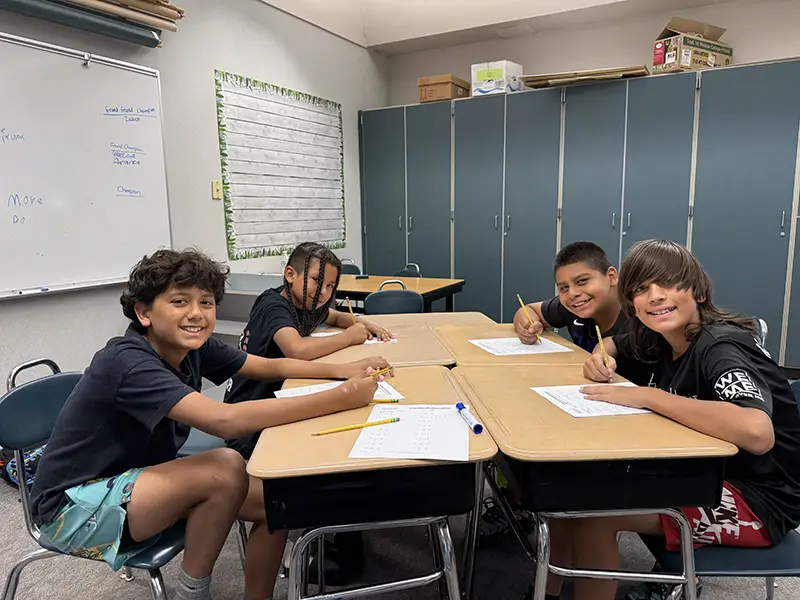
“We live in a predominantly Hispanic community surrounded by agriculture,” said first-grade teacher Marisol Bos. “A lot of our parents of our students start work before the sun rises.”
For some of her young students, summer might otherwise mean spending those early hours at home with an older sibling. Through DiscoverWorks, they have a safe place to spend their days, with breakfast and lunch, opportunities to learn, and plenty of time to create, explore, and have fun.
That understanding of the community shapes not only why DiscoverWorks matters in Sunnyside, but what learning looks like once students arrive.
Teacher Gabriela Bermudez has seen that especially among students whose first language is Spanish. During DiscoverWorks, students have the flexibility to use both Spanish and English as they read, write, and work through math concepts.
“I start off teaching Spanish and then move over to English,” Bermudez said. “DiscoverWorks is not your traditional school year curriculum, but it gives us free time to explore.”
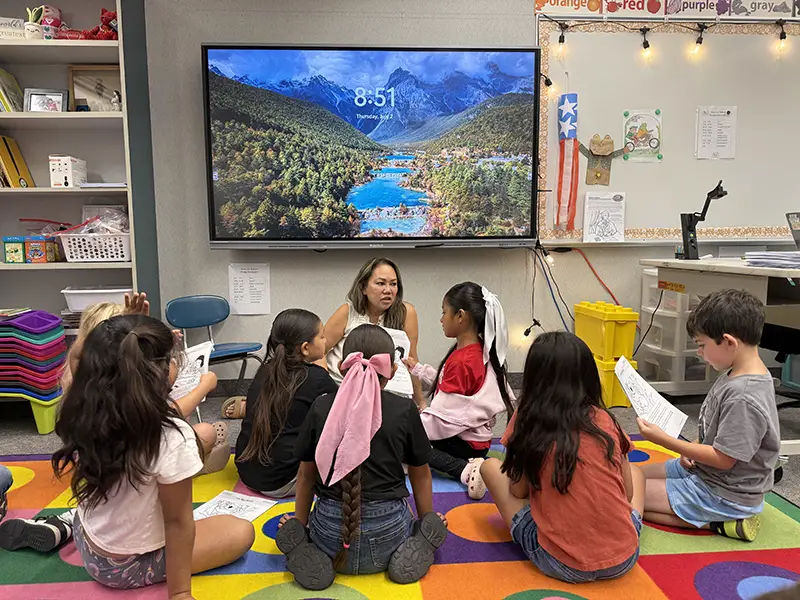
That freedom gives educators room to build learning around the students sitting in front of them.
Sunnyside School District is about 92% Latino, Bermudez explained. When planning enrichment activities, she considers what will resonate with her kindergarten and first-grade students and what they may already recognize from their own homes and families.
For Bermudez, who leads cooking enrichment, a lesson about fractions can begin with something as familiar as a tortilla. Students learn what it means to divide something into halves, fourths, and eighths while connecting formal measurements to the ways they may see family members cook at home.
“At home as a Latina mother, we do pinches,” Bermudez said. “And I integrate the measuring.”
It’s a small example of a much larger idea: students don’t have to leave what they know at the classroom door in order to learn something new.
Through DiscoverWorks, the languages students speak, the food they eat, and the experiences they bring with them can become part of the lesson. Reading, writing, math and science remain at the center, while teachers have greater flexibility to help students experience those subjects in ways that feel relevant.
And for Sunnyside families, the connection extends beyond academics.
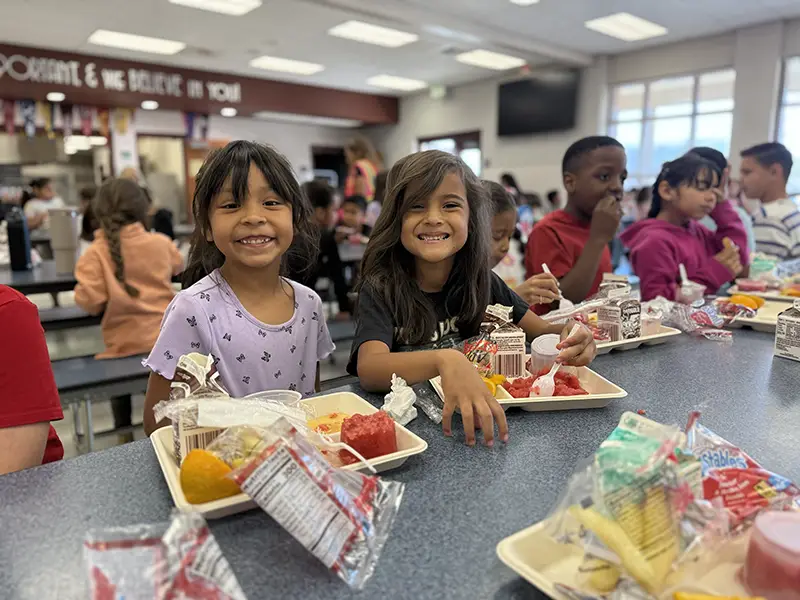
DiscoverWorks provides breakfast and lunch, something Bos sees as particularly meaningful in a community where agricultural work can shape family schedules throughout the summer. It also provides children with a safe, welcoming place to be while parents work and gives them opportunities they may not otherwise have access to, including cooking, arts and crafts, and trips to the local pool.
Bermudez also sees DiscoverWorks as an opportunity to strengthen families’ connections to schools across the district. Students and educators from different Sunnyside schools come together during the summer, building familiarity that can carry into the school year. Her hope is that families see schools throughout Sunnyside as places where they feel comfortable walking through the doors, asking questions, and seeking support.
That sense of belonging is part of what makes DiscoverWorks meaningful in Sunnyside.
The program provides academics. It provides enrichment. It provides meals, hands-on learning, and opportunities for students to keep learning throughout the summer.
But in Sunnyside, those pieces don’t exist separately from the community around them.
They reflect a community shaped by agriculture. They recognize the realities of families whose workdays begin before sunrise. They make room for both Spanish and English. They turn familiar foods and experiences into opportunities to explore math and other academic concepts. And they give students a place where what they already know from home can become a foundation for what they learn next.

Because the most meaningful learning doesn’t ask students to step away from who they are.